Mastering Cauliflower: Tips for Abundant Spring & Fall Harvests
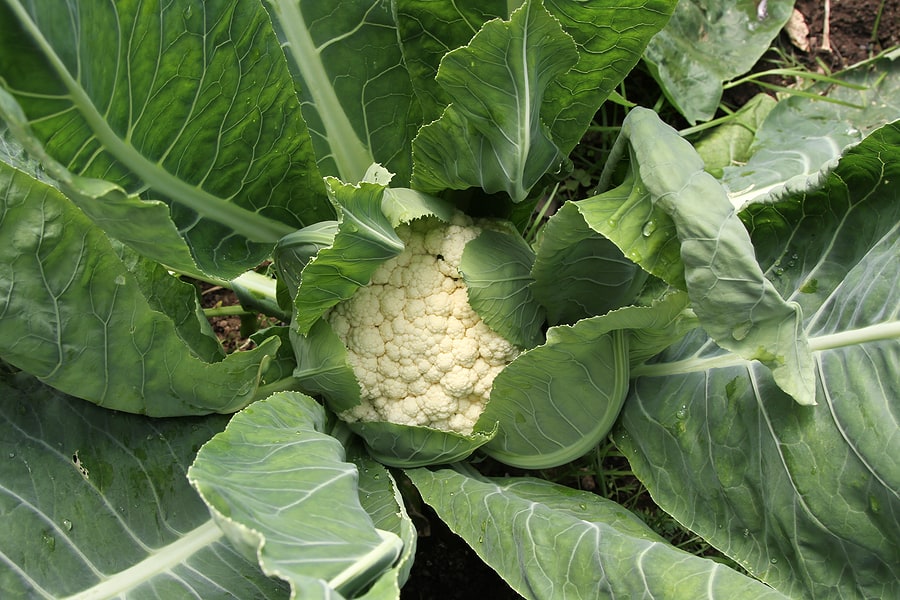
Cauliflower, the denser, creamier cousin to broccoli, holds a special place in the hearts of many gardeners and culinary enthusiasts. Renowned for its tightly packed heads of nutrient-rich florets, this versatile brassica can transform into an array of delectable dishes – from roasted masterpieces and steamed sides to creative grain alternatives. While it might have a reputation for being somewhat finicky, we’re here to demystify its cultivation and reveal how even beginner gardeners can enjoy prolific harvests right from their own backyard. With a few strategic tips and a keen understanding of its preferences, your garden beds will soon be overflowing with vibrant white, purple, orange, or even chartreuse heads, saving you money and delighting your palate with specialty varieties often elusive in grocery stores.
Understanding Cauliflower's Core Demands: A Cool-Weather Crop
At its heart, cauliflower is a cool-weather annual, meaning it thrives in moderate temperatures and has a low tolerance for extremes. This critical preference dictates much of its successful cultivation strategy. Unlike some hardier vegetables, cauliflower demands consistent conditions and struggles immensely with fluctuations in heat, drought, or severe cold. Its ideal growing environment is characterized by consistently moist soil and temperatures that hover comfortably, making spring and fall the prime seasons for abundant harvests.
The notion of
how to grow summer cauliflower often leads to challenges for many gardeners. Traditional cauliflower varieties simply don't perform well in the intense heat of mid-summer. High temperatures can cause the plant to "bolt" (go to seed prematurely) or produce small, loose, or bitter heads, if any at all. Therefore, mastering cauliflower cultivation, particularly for harvests that extend into warmer periods, hinges entirely on precise timing to allow plants to mature *before* the summer's peak intensity, or *after* its heat has subsided. This means focusing your efforts on well-timed spring and fall plantings, rather than trying to force growth through the dog days of summer.
The Foundation for Success: Ideal Conditions for Thriving Cauliflower
Successful cauliflower cultivation begins with establishing the right environment. This demanding crop requires careful attention to soil, sunlight, and hydration to produce those coveted, plump heads.
Rich Soil and Optimal Sun Exposure
Cauliflower plants are hungry feeders and flourish in rich, well-drained garden soil. Before planting, it's crucial to enrich your chosen site with a substantial amount of organic matter. Incorporating a 2-inch layer of high-quality compost into the topsoil creates a vibrant foundation, providing essential nutrients and improving soil structure for vigorous root development.
In terms of sunlight, cauliflower demands a generous supply. Select a location in your garden where your plants will receive at least 6 to 8 hours of direct sunlight daily. "Full sun" is not merely a suggestion but a requirement for robust growth and optimal head formation. Without sufficient light, plants may become leggy and produce smaller, less dense curds. For more detailed guidance on preparing your garden’s foundation, you can refer to our article on
Cauliflower Care: Essential Steps for Rich Soil & Full Sun Success.
Consistent Moisture and Mulching
Cauliflower's shallow root system makes it particularly vulnerable to drought. Consistent moisture is paramount for healthy growth and preventing stress, which can lead to poor head development. Aim to provide 1 to 2 inches of water per week, ensuring the soil remains consistently moist but never waterlogged. When watering, apply the water directly to the soil around the base of the plants, avoiding splashing water onto the leaves as much as possible. This practice helps to prevent the spread of foliar diseases.
To further support consistent moisture levels, suppress weeds, and protect those shallow roots from temperature fluctuations, a layer of organic mulch is invaluable. Apply a 2-4 inch layer of straw, shredded leaves, or wood chips around your cauliflower plants once they are established. Mulch also slowly breaks down, contributing to the soil's organic content over time.
Timing is Everything: Mastering Spring & Fall Plantings
The secret to abundant cauliflower harvests lies squarely in timing your planting to coincide with its preferred cool growing windows. This strategic approach ensures your plants develop fully before extreme temperatures set in.
Spring Planting for a Late Spring/Early Summer Harvest
For a bountiful late spring harvest, timing is critical to beat the impending summer heat.
- Start Indoors: Cauliflower is sensitive to frost, so direct sowing outdoors in early spring is generally not recommended. Instead, sow seeds indoors 6 to 8 weeks before your area’s average last spring frost date. This gives seedlings a strong start in a protected environment.
- Transplanting Outdoors: Once the danger of frost has passed and your seedlings have developed 4-6 true leaves, typically around the last frost date, you can safely transplant them outdoors. Ensure the soil is workable and temperatures are consistently mild.
This method allows the plants to establish and begin forming heads during the cool, gentle weather of late spring, maturing just as early summer begins. This is the closest most gardeners can get to harvesting "summer cauliflower" – by timing it to finish *before* the intense heat truly hits.
Fall Planting for a Robust Autumn Harvest
Fall is often considered the ideal season for growing cauliflower, as temperatures gradually cool, providing an extended period of optimal conditions.
- Start Indoors: For a fall harvest, sow seeds indoors around July 1st in most temperate climates. This might seem counterintuitive as July is often very hot, but starting indoors protects the delicate seedlings from the summer sun.
- Transplanting Outdoors: Plant these well-established seedlings outdoors in mid-August, or approximately 90 days before your area’s first expected fall frost date. This timing allows the plants to thrive as temperatures become more agreeable, leading to mature heads ready for harvest in late fall.
Regardless of the season, proper spacing is crucial for air circulation and healthy growth. Plant cauliflower seedlings about 18 inches apart within rows, with rows spaced 2 to 3 feet apart. This generous spacing accommodates the large leaves and ensures each plant has ample room to develop its impressive head. For a deeper dive into these seasonal strategies, check out
Grow Thriving Cauliflower: Your Cool-Weather Planting Guide.
Beyond the Basics: Cultivating Abundance and Dealing with Challenges
While cauliflower requires attention, the rewards far outweigh the effort. Beyond the fundamental planting and care, there are other aspects to consider for a truly abundant harvest.
Embracing Diversity and Managing Pests
Don't limit yourself to just white cauliflower! Exploring specialty varieties that yield vibrant purple, orange, or chartreuse heads can add visual appeal and a slightly different flavor profile to your culinary creations. These unique types are often more readily available through seed catalogs than in local stores, making home gardening even more appealing.
Cauliflower, like other brassicas, can be susceptible to various pests and diseases. Regular monitoring is key to early detection and management. Watch out for common culprits like cabbage worms, aphids, and slugs. Employing organic pest control methods, such as hand-picking pests, using row covers, or introducing beneficial insects, can help maintain a healthy garden without harsh chemicals. Consistent attention to plant health, alongside proper watering and mulching, also strengthens plants against disease.
Harvesting Your Bounty and Maximizing Yields
Typically, each cauliflower plant produces one large, tight head of curds. These can range from 1 to 2 pounds, offering a substantial yield per plant. Harvest when the heads are firm, compact, and reach your desired size. However, the generosity of cauliflower doesn't always end there! Many varieties, known as "sprouting cauliflower," will continue to produce smaller, tender shoots and florets after the main head has been harvested. These "sprouting" additions are incredibly flavorful and provide an extended harvest.
The robust biomass of cauliflower plants – including the leaves and stems after harvest – is an excellent addition to your compost pile, enriching your garden’s soil for future seasons.
Conclusion
Growing cauliflower can be an incredibly rewarding endeavor, transforming your garden into a source of nutrient-dense, cost-effective, and aesthetically pleasing produce. While it may demand a bit more planning and consistent care than some other vegetables, understanding its cool-weather preferences and strategically timing your spring and fall plantings are the keys to success. By providing rich soil, ample sunlight, consistent moisture, and diligent attention, you’ll unlock the secrets to an abundant harvest, filling your kitchen with beautiful heads of cauliflower ready for countless culinary adventures. Embrace the challenge, and prepare to enjoy the unparalleled satisfaction of picking your own homegrown cauliflower.