Unlocking Cauliflower's Potential: Why Grow Your Own?
Cauliflower, often considered the denser, creamier cousin to broccoli, holds a unique place in the culinary world and an increasingly popular spot in home gardens. Despite its reputation for being a tad challenging, cultivating this versatile brassica can be incredibly rewarding. Imagine harvesting vibrant purple, sunny orange, or crisp white heads, heavy with tightly packed florets, directly from your backyard – a stark contrast to the often hefty price tag at farmer's markets and grocery stores.
Far from just a side dish, cauliflower's culinary versatility is astounding. It can be enjoyed raw in salads, roasted to a sweet caramelization, steamed, fried, or even transformed into grain alternatives like "cauliflower rice." Growing your own not only ensures a fresh, organic supply but also opens up a world of specialty varieties you might never find commercially. Furthermore, these prolific plants, yielding heads often weighing 1 to 2 pounds, offer an abundance of biomass perfect for enriching your compost pile, promoting a sustainable gardening cycle. For those looking to elevate their vegetable patch and their plate, learning how to grow summer cauliflower (or rather, planting in late summer for a fall bounty) is a truly worthwhile endeavor.
The Foundation for Success: Ideal Conditions for Cauliflower
Cauliflower thrives when its specific preferences are met. It's a demanding crop regarding light, water, and temperature, with little tolerance for extremes. Understanding and replicating its preferred environment is the cornerstone of a successful harvest, especially when aiming for "summer" planting which often means preparing for a fall yield.
Choosing the Right Location & Sunlight
For abundant, healthy cauliflower heads, full sun is non-negotiable. Select a location in your garden that receives a minimum of six to eight hours of direct sunlight daily. This intense light is crucial for robust growth and the development of those desired dense curds. Without adequate sun, plants may become leggy, produce smaller heads, or fail to form heads altogether. Ample light also helps dry dew from leaves, reducing the risk of fungal diseases.
Crafting the Perfect Soil Environment
Cauliflower is a heavy feeder and demands exceptionally rich, well-drained garden soil. This isn't just about providing nutrients; it's about creating a living medium that supports the plant's entire life cycle. Before planting, enrich your chosen spot generously with a 2-inch layer of high-quality compost or other organic matter. This not only boosts fertility but also improves soil structure, enhancing drainage in heavy clays and increasing moisture retention in sandy soils. Aim for a slightly acidic to neutral pH (6.0-7.0) for optimal nutrient uptake. Regular soil testing can help you understand your starting point and guide any necessary amendments.
Navigating Temperature: The Cool-Weather Conundrum
Here's where the term "summer cauliflower" needs clarification. Cauliflower is fundamentally a *cool-weather crop*. It absolutely detests heat, drought, and extreme cold. Optimal growth occurs in temperatures between 60-75°F (15-24°C). True mid-summer heat can cause plants to bolt (go to seed prematurely), develop small, loose heads, or simply fail to thrive. Therefore, when discussing how to grow summer cauliflower, we are primarily referring to planting in *late summer* for a glorious *fall harvest*. This strategic timing allows the plants to establish during warmer days but mature during the cooler temperatures of early fall, leading to perfectly formed curds. Explore more about ideal planting times in our guide: Grow Thriving Cauliflower: Your Cool-Weather Planting Guide.
Planting and Nurturing Your Cauliflower Crop
With ideal conditions established, the next step is precise planting and consistent care. Cauliflower may be demanding, but attentive gardening will yield bountiful results.
Timing Your "Summer" Planting for a Fall Harvest
To successfully achieve a "summer" cauliflower crop that matures in the fall, timing is everything. Start seeds indoors around July 1st. This gives the seedlings enough time to grow strong before being transplanted outdoors. Plan to move your young plants into the garden in mid-August, or approximately 90 days before your region's first anticipated fall frost date. This schedule allows the plants to establish themselves in the lingering warmth of late summer and then complete their head formation as temperatures naturally cool down, mimicking their preferred cool-weather environment. For regions with exceptionally long, mild falls, you might even get a second wave of "sprouting cauliflower" – delicious small florets on tender stems – after the main head is harvested.
From Seed to Sprout: Starting Strong
Whether you're starting from seed or purchasing transplants, careful handling is key. Sow seeds indoors in good quality seed-starting mix, ensuring warmth for germination. Once seedlings have developed a few true leaves, harden them off gradually before transplanting. When planting seedlings outdoors, space them generously, about 18 inches apart, in rows that are 2-3 feet apart. This ample spacing allows for good air circulation, reduces competition for nutrients, and provides room for the large leaves to develop without crowding, which is crucial for healthy head formation. Planting too closely can lead to smaller, less robust heads.
Watering Wisdom and Mulching Mastery
Cauliflower demands consistently moist soil throughout its growth cycle. Drought stress, even for short periods, can cause significant damage, leading to bitterness, bolting, or "buttoning" (producing tiny, premature heads). Aim for 1 to 2 inches of water per week, delivered slowly and deeply to the root zone. Watering in the early morning is ideal, allowing foliage to dry before nightfall, which helps prevent fungal diseases. Avoid splashing water onto the leaves as much as possible. A drip irrigation system or soaker hoses are excellent tools for delivering consistent moisture directly to the soil.
To further support consistent moisture levels and suppress weeds, apply a 2-inch layer of organic mulch around your cauliflower plants. Straw, shredded leaves, or wood chips work wonderfully. Mulch also helps regulate soil temperature, keeping the shallow roots cool during warmer periods and insulating them as temperatures drop, contributing to overall plant vigor and health. This simple step can significantly reduce your watering efforts and provide a more stable environment for your growing cauliflower.
Common Challenges and How to Overcome Them
Even with optimal conditions, gardeners may encounter hurdles. Being prepared for common cauliflower challenges can make all the difference between a sparse harvest and an abundant one.
Blanching for Pristine White Heads
For varieties that produce white heads, blanching is an essential step to prevent yellowing or browning from sun exposure and to maintain that desirable mild flavor. When the cauliflower head (curd) reaches about the size of a chicken egg, gently gather the outer leaves and tie them loosely over the head with twine or rubber bands. You can also break a few outer leaves and tuck them over the curd. Do this on a dry day to prevent trapping moisture, which can lead to rot. Blanching typically takes one to three weeks, depending on the variety and growing conditions. Keep an eye on the head, checking periodically until it reaches its full size and desired whiteness. Neglecting this step often results in off-color and sometimes bitter curds.
Pest and Disease Management
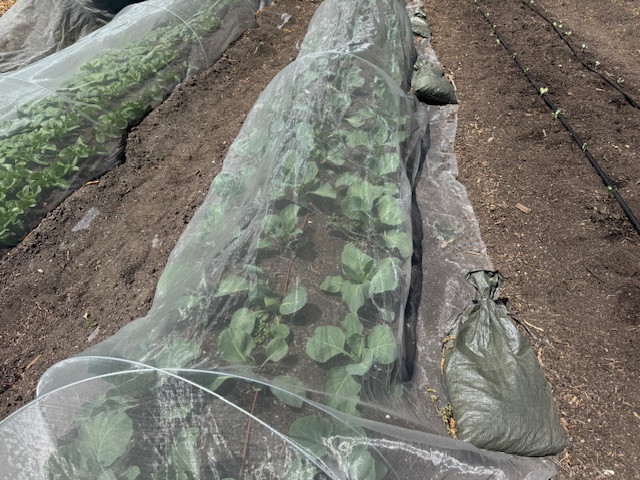
Like other brassicas, cauliflower can be susceptible to pests like cabbage worms, aphids, and flea beetles, as well as diseases such as clubroot and downy mildew. Regular monitoring is your best defense. Inspect your plants frequently, especially the undersides of leaves. For cabbage worms, hand-picking can be effective in small gardens, or you can use organic solutions like Bacillus thuringiensis (Bt). Aphids can often be dislodged with a strong spray of water or treated with insecticidal soap. Crop rotation is crucial to prevent soil-borne diseases like clubroot. Ensuring good air circulation and avoiding overhead watering helps deter fungal issues. Healthy, well-nourished plants are generally more resistant to pests and diseases.
Troubleshooting Growth Issues
If your cauliflower isn't forming proper heads or seems stunted, revisit its core needs. Are they getting enough sunlight? Is the soil consistently moist and rich in organic matter? Are temperatures within the optimal range? "Buttoning" (prematurely forming tiny, undeveloped heads) is often a sign of stress, usually due to inconsistent watering, nutrient deficiency, or temperature fluctuations. Addressing these environmental factors promptly can often correct the course of your crop. Mastering the nuances of cauliflower cultivation, including ideal conditions and troubleshooting, will lead to more successful harvests, whether it's a spring or a fall crop. For a deeper dive into optimizing your harvest, check out: Mastering Cauliflower: Tips for Abundant Spring & Fall Harvests.
Conclusion
While cauliflower may demand a little more attention than some other garden vegetables, the effort is undeniably worthwhile. By focusing on rich, compost-amended soil, providing ample full sun, and strategically timing your planting for late summer to enjoy a fall harvest, you can successfully grow your own impressive, nutrient-dense heads. From unique colorful varieties to the satisfaction of bringing a truly fresh, organic product to your table, cultivating cauliflower is a fulfilling journey for gardeners of all skill levels. Embrace the challenge, follow these essential steps, and prepare to enjoy the delicious rewards of your very own homegrown cauliflower.
